Book a Valuation
Industry insight
As a property owner looking to sell or rent out your residential property, you may have heard about Energy Performance Certificates (EPCs). These certificates are a legal requirement for all residential properties in the UK that are being sold or rented out. In this article, we will discuss what EPCs are, how they are calculated, and answer some of the most frequently asked questions about EPCs.
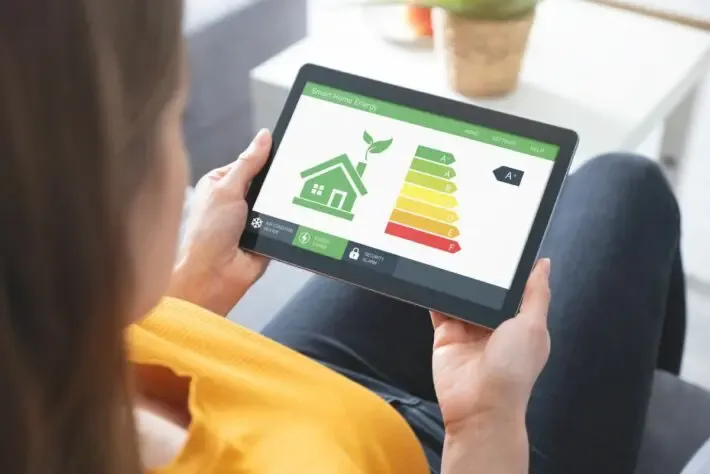
An EPC is a document that provides information about a property's energy efficiency. It rates the property on a scale of A-G, with A being the most energy-efficient and G being the least. The certificate also provides recommendations on how to improve the property's energy efficiency and reach the highest potential rating, which can help reduce energy bills and carbon emissions. It looks at lighting, windows and walls for example
The EPC bandings range from A-G, with A being the most energy-efficient and G being the least. The bandings are calculated based on the property's energy efficiency, which takes into account its heating, lighting, and insulation.
An EPC is calculated by an accredited energy assessor who visits the property and assesses its energy efficiency. The assessor will look at the property's construction, insulation, heating system, and lighting. They will also take into account the property's age, size, and location. The assessor uses score specified by the government (SAP standards). This is a big long document describing out how a certificate is determined. The assessor must take the following areas in to consideration:
Several factors can affect a property's EPC rating, including its insulation, heating system efficiency, and use of renewable energy sources. A well-insulated property with an efficient heating system and renewable energy sources such as solar panels will typically have a higher EPC rating.
An EPC check typically takes between 45 minutes to an hour, depending on the size and complexity of the property. The assessment involves a visual inspection of the property's key features and systems.
For an existing building (that isn't new build) there is no pass or fail for an EPC check. However, properties with a low EPC rating (below an E) may be more challenging to sell or rent out as they are less energy-efficient and more expensive to run.
EPC certificates are valid for ten years from the date of issue. After ten years, a new EPC assessment will be required.
To get an EPC certificate, you will need to contact an accredited energy assessor. You can find an energy assessor on the government's register of accredited assessors. The energy assessor will assess your property's energy efficiency and provide you with an EPC certificate.
An EPC is not required for properties that are not intended to be sold or rented out. For example, if you are selling your primary residence, an EPC is not required. Similarly, if you are renting out a room in your home, you do not need an EPC certificate.
Yes, EPCs are a legal requirement for all residential properties in the UK that are being sold or rented out. Failure to provide an EPC can result in a penalty.
A seller and a landlord can be fined £200 if an EPC is not made available when selling or looking to rent a property. If a landlord rents out a property with an EPC rating of below an E they can also be fined. Fines for renting out a property with an EPC rating of below an E can be up to £5,000 and a landlord would not be able to issue a section 21 eviction notice, which is also the case if an EPC certificate is not given to the tenant.
The EPC rating can affect a property's value and saleability. A property with a higher EPC rating is typically more desirable, as it is more energy-efficient and cheaper to run.
It is essential to consider the EPC rating when purchasing or renting a property, as it can have a significant effect on energy bills. By improving the energy efficiency of a property, it is possible to reduce energy bills and help to protect the environment. These steps can include upgrading insulation, installing a more efficient heating system, or using energy-efficient lighting.
The EPC rating will not determine the level of charges from the properties utility provider.
The landlord or seller of the property is responsible for paying for the EPC certificate. However, some agents will include the cost of the EPC in their overall fees.
In conclusion, if you are a landlord looking to sell or rent out your residential property, you will need to obtain an Energy Performance Certificate (EPC). The EPC rates the property's energy efficiency on a scale of A-G and provides recommendations on how to improve its energy efficiency. The EPC is a legal requirement for all residential properties in the UK that are being sold or rented out, and failure to provide one can result in a penalty. A property with a higher EPC rating is typically more desirable, as it is more energy-efficient and cheaper to run, which can result in lower energy bills.

Jacobs Properties found us the right tenant very quickly. The whole process was handled smoothly and communication between Jacobs/tenant/ourselves was very good and in a timely manner. I would recommend anyone who is thinking of renting out a property to use their services.
Leigh Elcock
Ashlea was amazing in her support when going through the stresses of moving home. She provided information and guidance throughout the process and I would highly recommend both her and Jacobs.
Andrew Brackenridge
I can't recommend Jacobs highly enough. They're very friendly and professional. The sale was extremely quick thanks to the knowledge and hard work put in by all involved. If you want to sell your property, contact Jacobs.
Rachel Roberts
Ashlea was extremely helpful from start to finish of our house buying experience. We would definitely recommend using Jacobs!
Susanna Davies
I would highly recommend Jacobs Properties for their professional service. Communication was excellent and I was fully informed on the progress of the sale. Particular recognition and thanks to Ashlea for her diligence and outstanding work which facilitated the completion of the sale.
Sharon